Skip to content

Crowing Woes

Just recently my two roosters started to crow regularly, often and at all hours of the night.  Yes, I have two roosters and I live in town!  Earlier this spring I started out with two hens and two baby chicks (all Silkies).  I’ve always secretly known the chicks would turn into roosters since they’ve been battling head to head since we got them at a couple weeks old. 

Since they’re our babies and we raised them from little fuzz balls, we don’t plan to get rid of them.  Fortunatly we don’t have rules against roosters in our town.  I’ve also talked to our immediate neighbors and they’re fine with the crowing.  They even like it. 

I still can’t help waking up every time I hear them crow — with anxiety.  I really do love these little darlings and couldn’t bear sending them back to the farm (my mom’s).  

Just this past Saturday morning I let them out early, since it wasn’t raining, and they just crowed and crowed and crowed their little hearts out — at 6:30 a.m.! I kept shooing them (in my PJ’s) farther away from the house, but sure enough, they’d just come right back to crow some more. 

At least my neighbors both have dogs that bark at all hours of the night and they either want chickens or they already have them.  I am very lucky and so are Brownie and Buttercup.  I guess this means if we ever move, I’ll have to find a rooster friendly neighborhood — and you know I will.

So starting today, I’ve decided I will no longer anguish over the crowing. I will let them crow and hope for the best.  I just wish they weren’t so exuberant.

Harvesting & Drying Walnuts

I may be the only one that LOVES this walnut tree. It’s technically our neighbor’s tree but since it’s just over the fence, I get to claim the half that hangs over my yard. The reason everyone dislikes the tree is because of the mess.

I just can’t get over how beautiful the tree is and really don’t care about the mess.

Because we get so many nuts, I’m ashamed to admit we haven’t harvested any until this year – but it’s better late than never.  So, instead of simply tossing the nuts in our yard waste bin, like we normally do, we collected a big pile of nuts and stomped on them to loosen the nut from the husk.  Then, we went to work removing the nuts from the husk and set the nuts in a bin for washing.

Once the nuts were rinsed and remaining chunks of husk removed, I placed the nuts on a wire rack to dry. Again, since we’ve never done this before, we have no idea how long they’ll need to dry.  We assume they’ll be ready in time for Christmas.

On a side note, if you ever plan to harvest your own walnuts, be sure to wear gloves. I don’t like to wear gloves and now my hands and nails are stained a dirty yellow/brown color.

Apparently, the husks are also used as a permanent dye for reed used to make baskets, like the ones my friend Kari Lonning makes.  I just hope the dye washes off my hands soon, since it was a little embarrassing having dirty “looking” hands at work today.

Below are a couple pictures to help you visualize the process.  Enjoy.

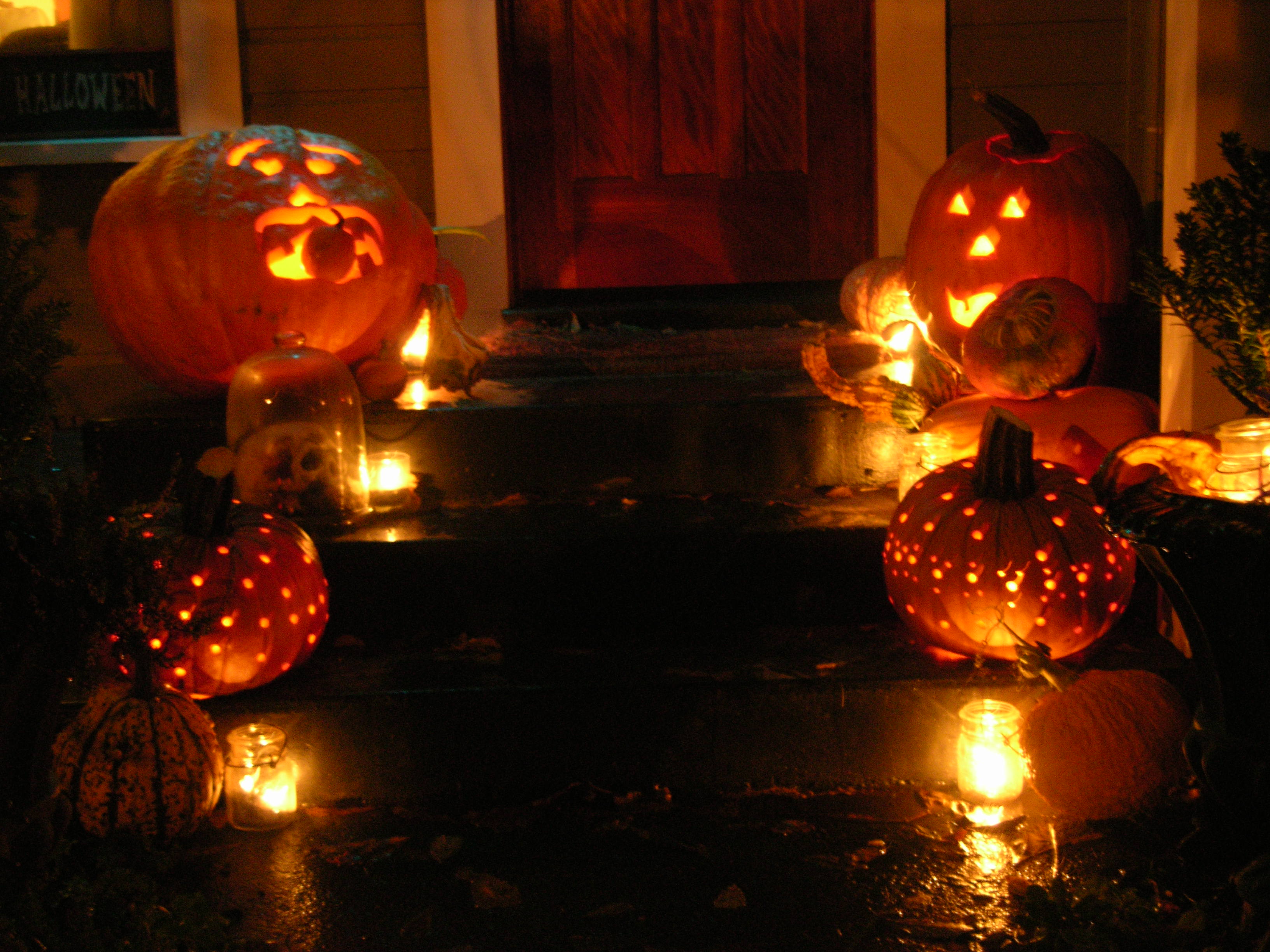
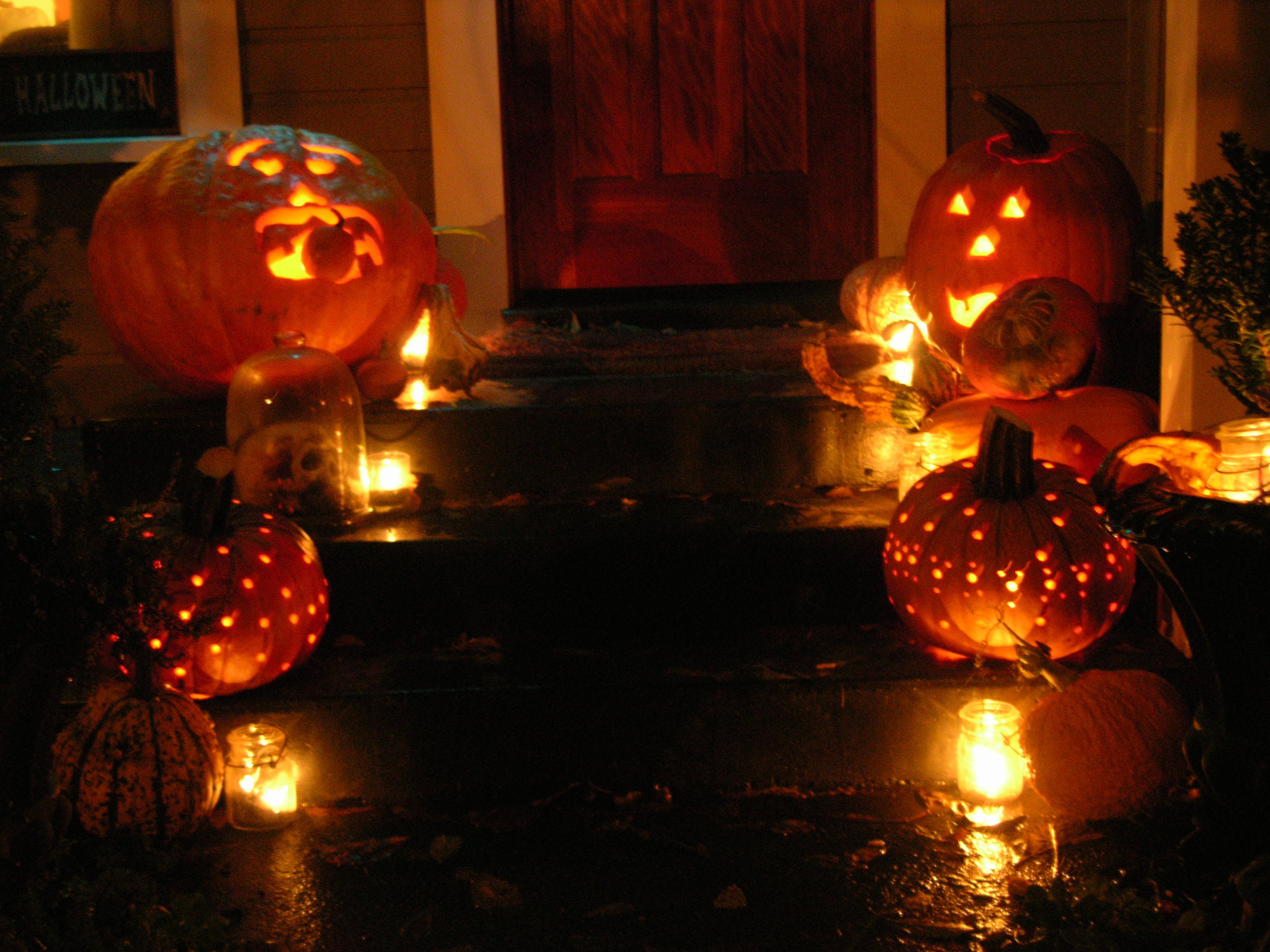
Happy Halloween!


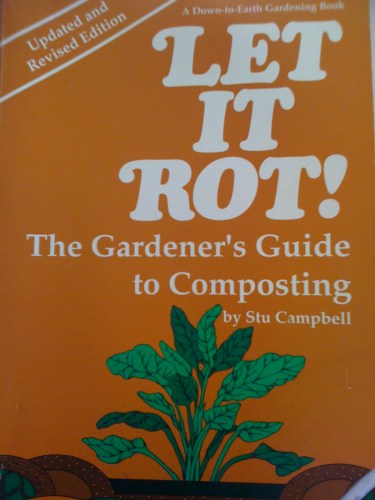
Book Review: Let it Rot!

Book Cover

Book Cover

When packing for my (work) trip to Los Angeles I grabbed a couple books off our bookshelf to read during the week-long trip.  One book I grabbed was called ‘Let it Rot! The Gardener’s Guide to Composting’ by Stu Campbell.

I want to start by saying I really enjoyed reading this book.  Stu does a great job explaining how the ENTIRE compost process should work.  After reading the book, I feel I better understand what happens between the time I add the raw materials to my bin and put the compost in my garden.  I now know if I tend to my compost pile more often by turning it, aerating it and adding a natural activator, such as alfalfa  meal, I could have compost ready to add to our garden multiple times a season instead of once a season.

Here’s one of my favorite excerpts from the book:

“Maybe the time has come for us to start being less compulsive about worms, insects and bacteria and to become more conscious of  how these things benefit us rather than harm us. Things might be better if we just let them rot!”

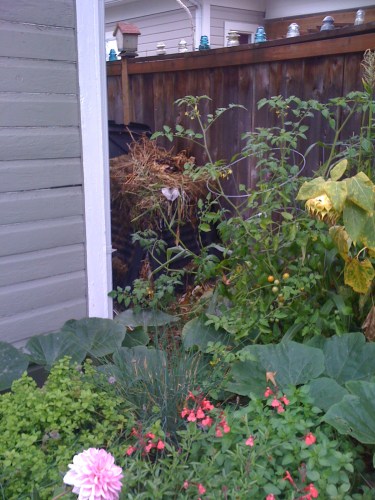
Overflowing Compost Bin

Overflowing Compost Bin

I also realize I need a better compost bin. Much to my delight, Stu provides instructions on how to build compost bins to meet a variety of needs.  I even found one I plan to build in my back yard to replace the small plastic bin we’re not happy with – it’s too small and falls apart often.

If you’re curious about compost and want to know how to do it right, you should pick up Stu Campbell’s book ‘Let it Rot! The Gardener’s Guide to Composting.’  It’s a quick read that’s packed full of easy to understand and very useful information.

My only regret is that I didn’t read this book earlier.

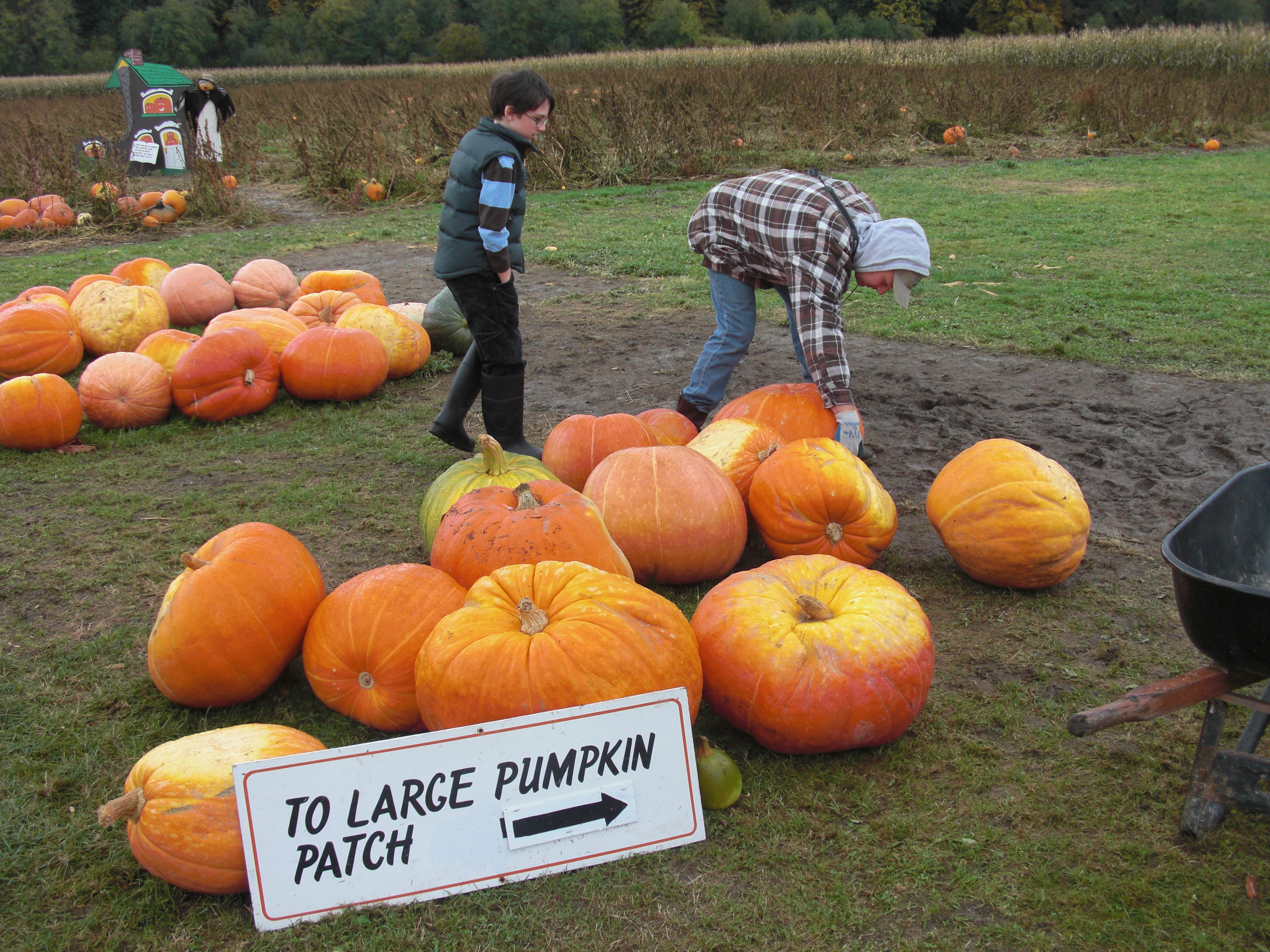
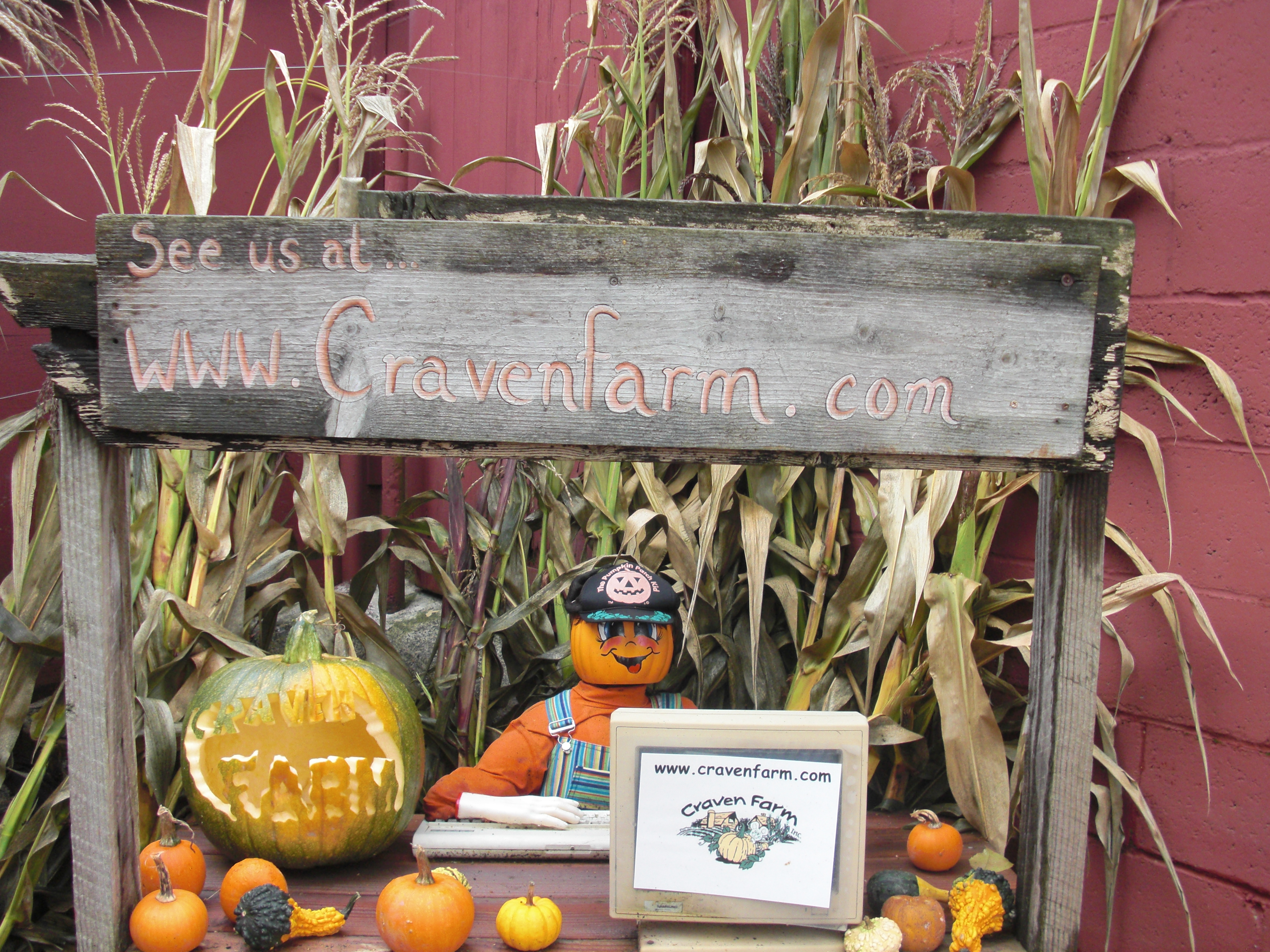
Craven Farms Pumpkin Patch


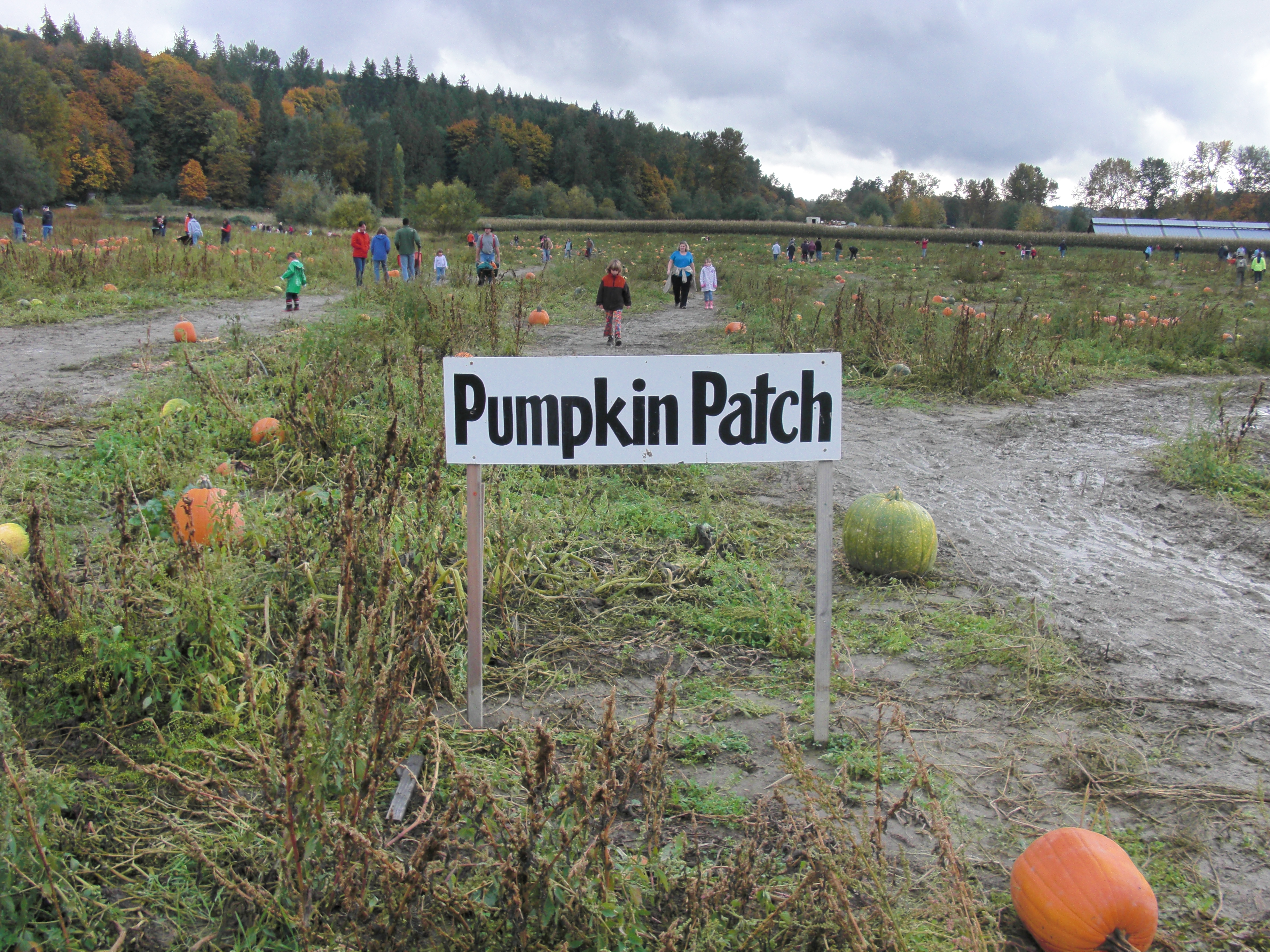
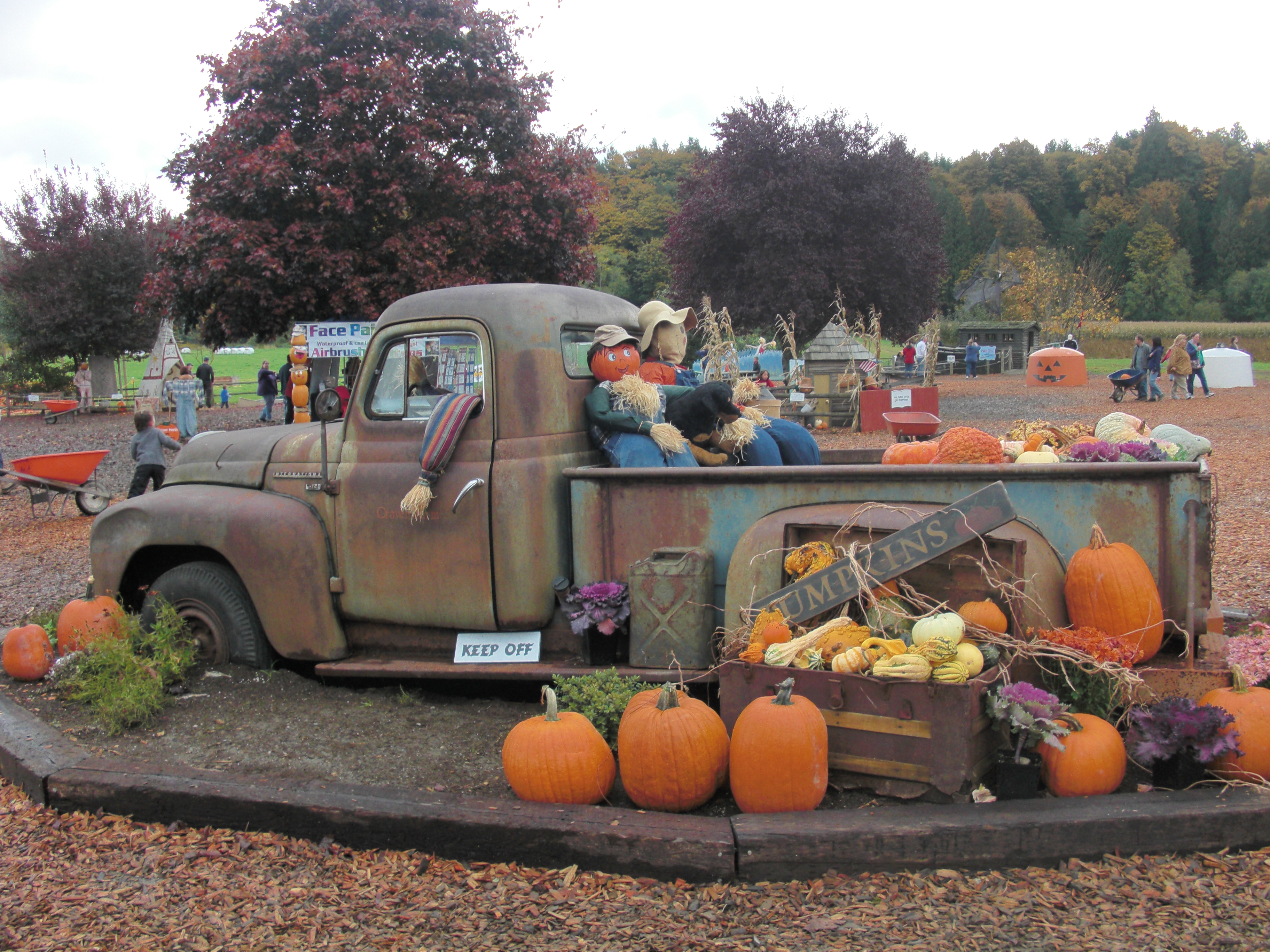
Craven Farms Pumpkin Patch

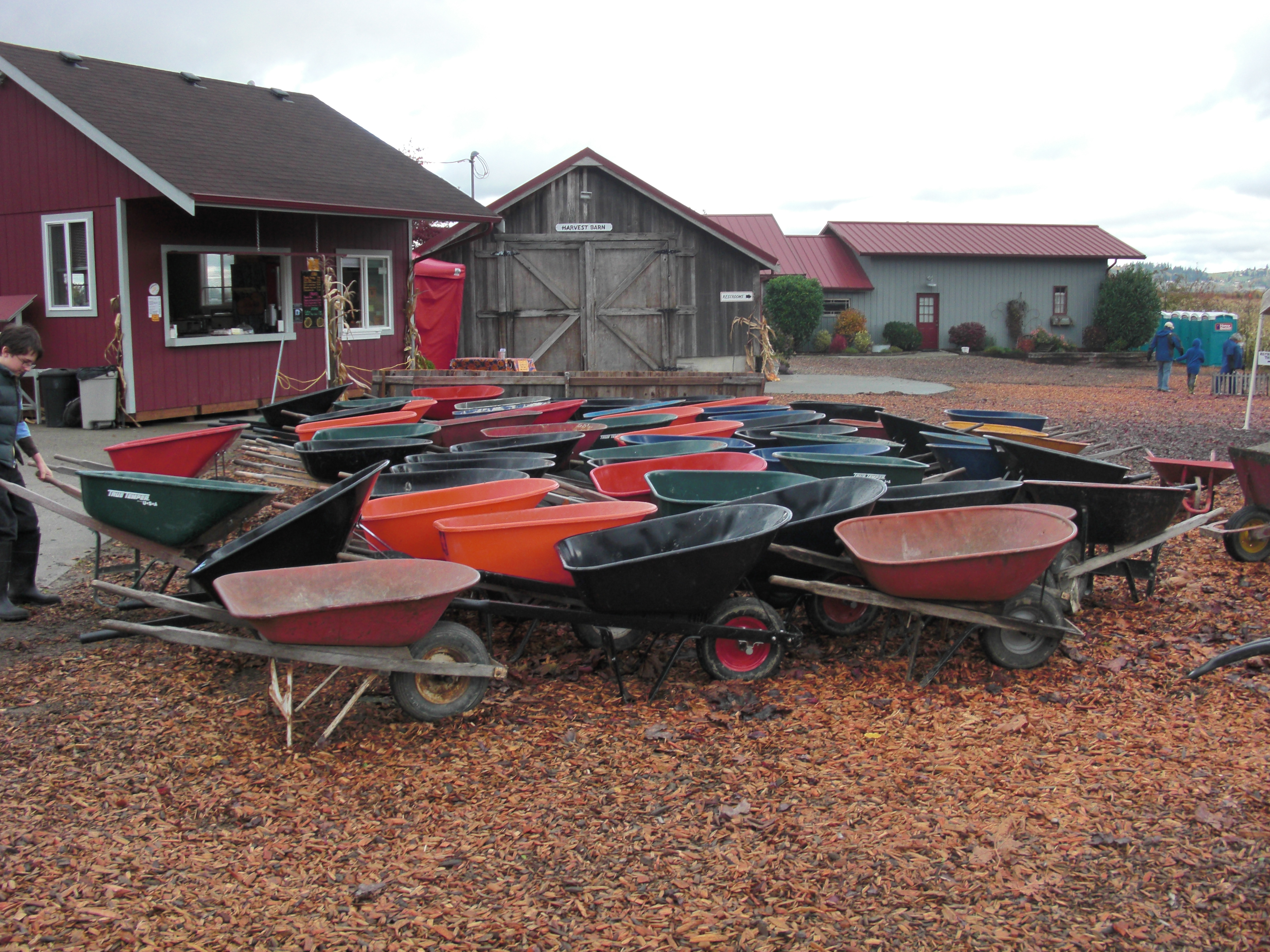
Craven Farms Pumpkin Patch


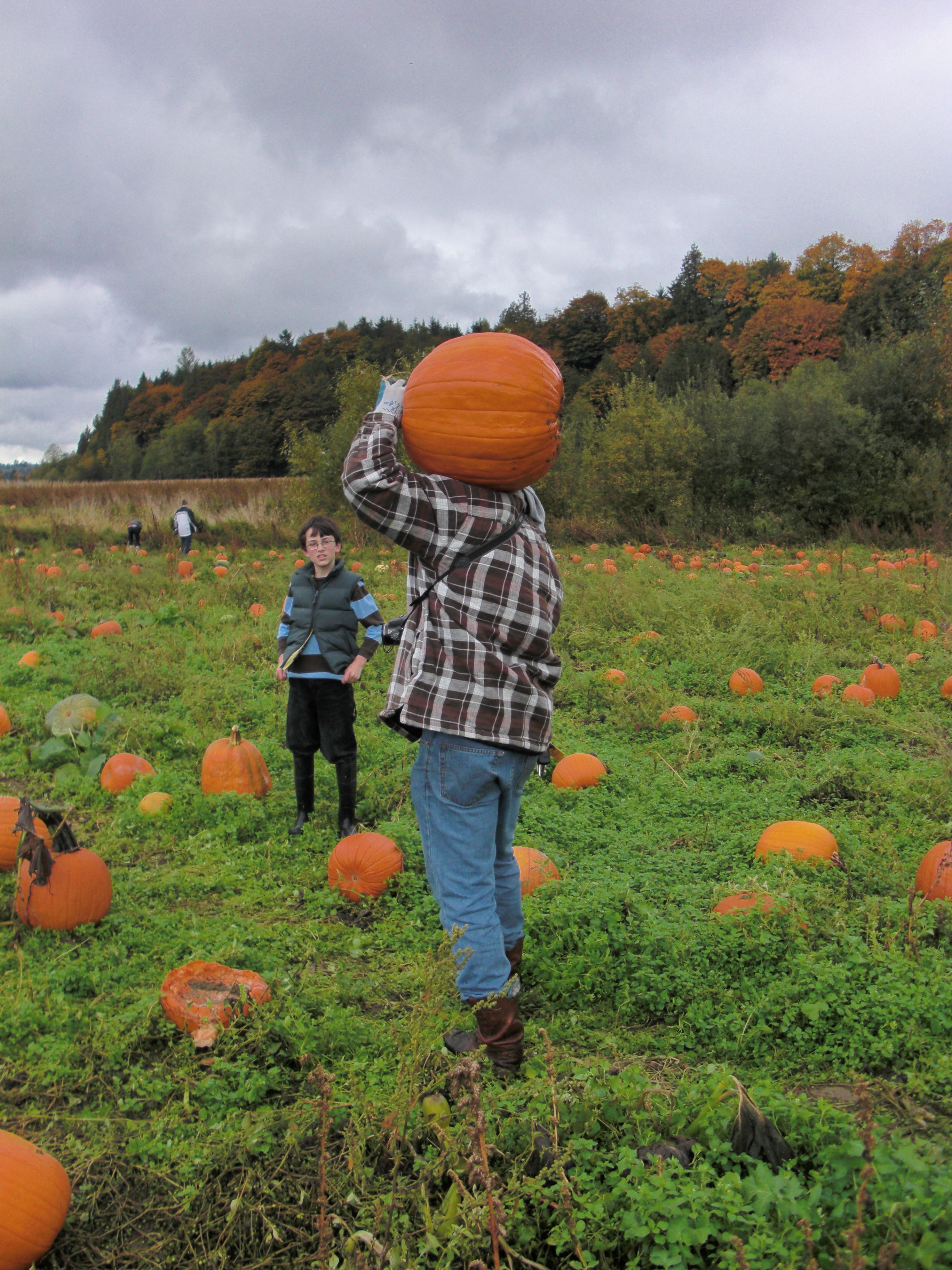
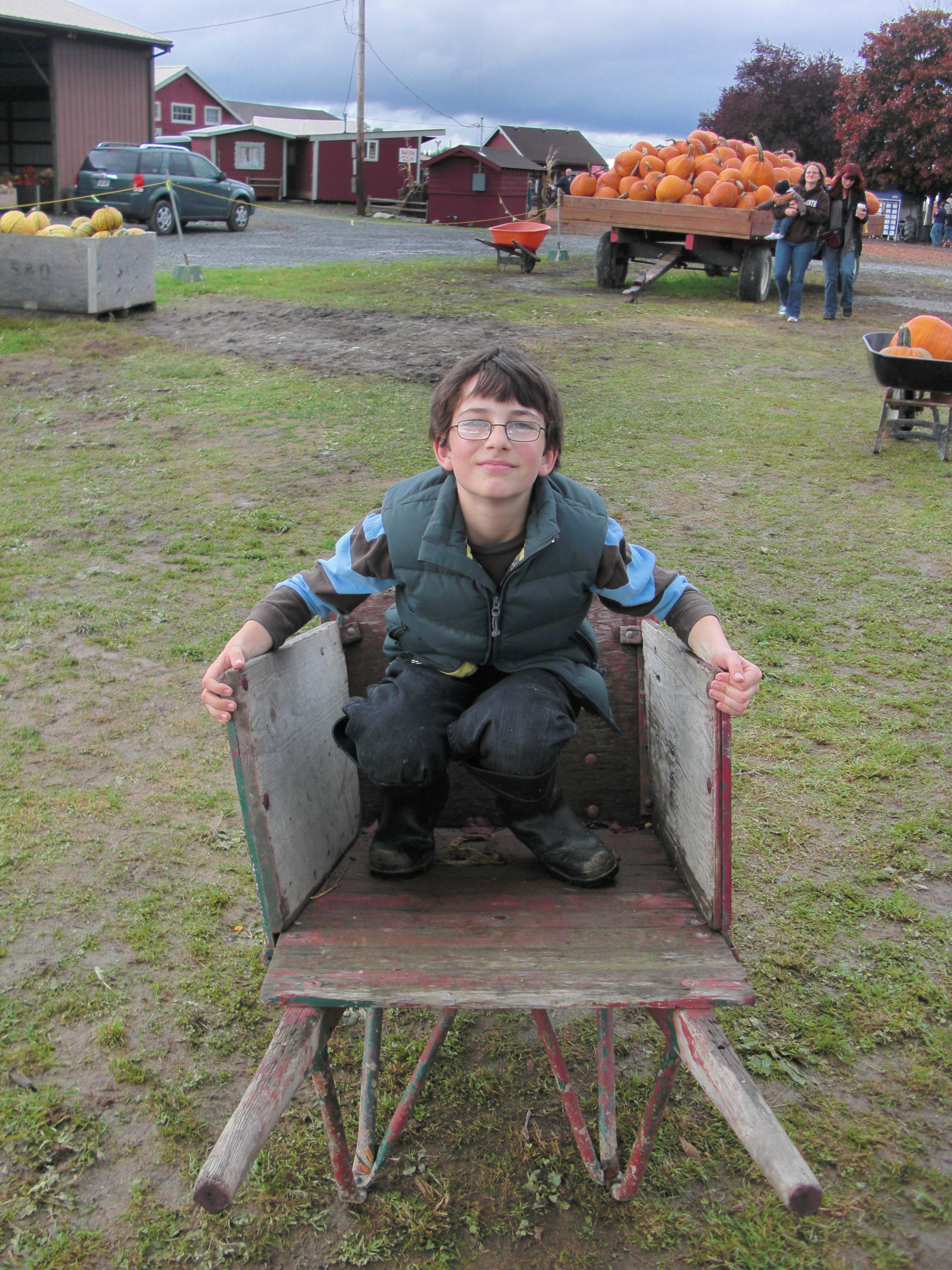
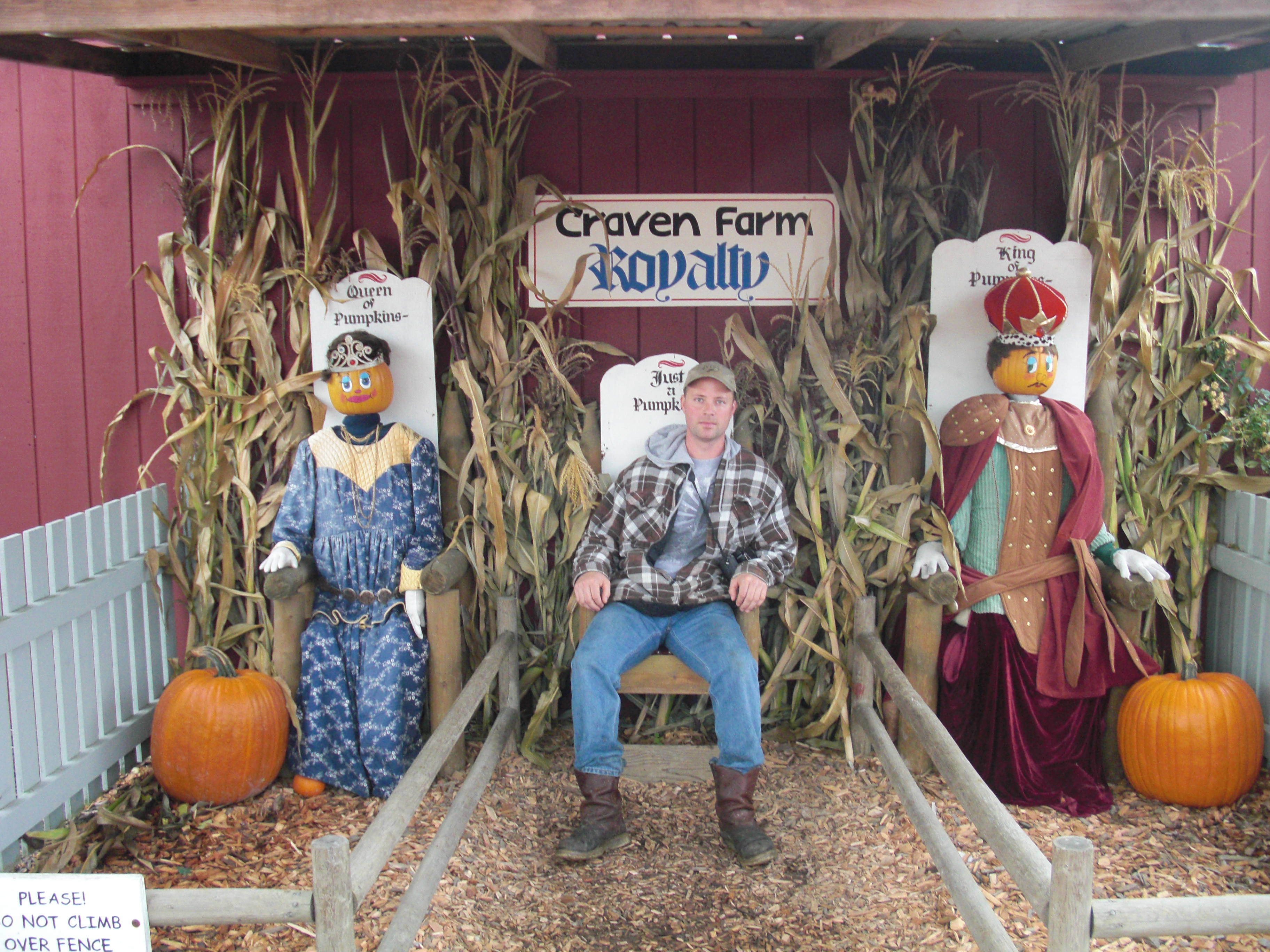
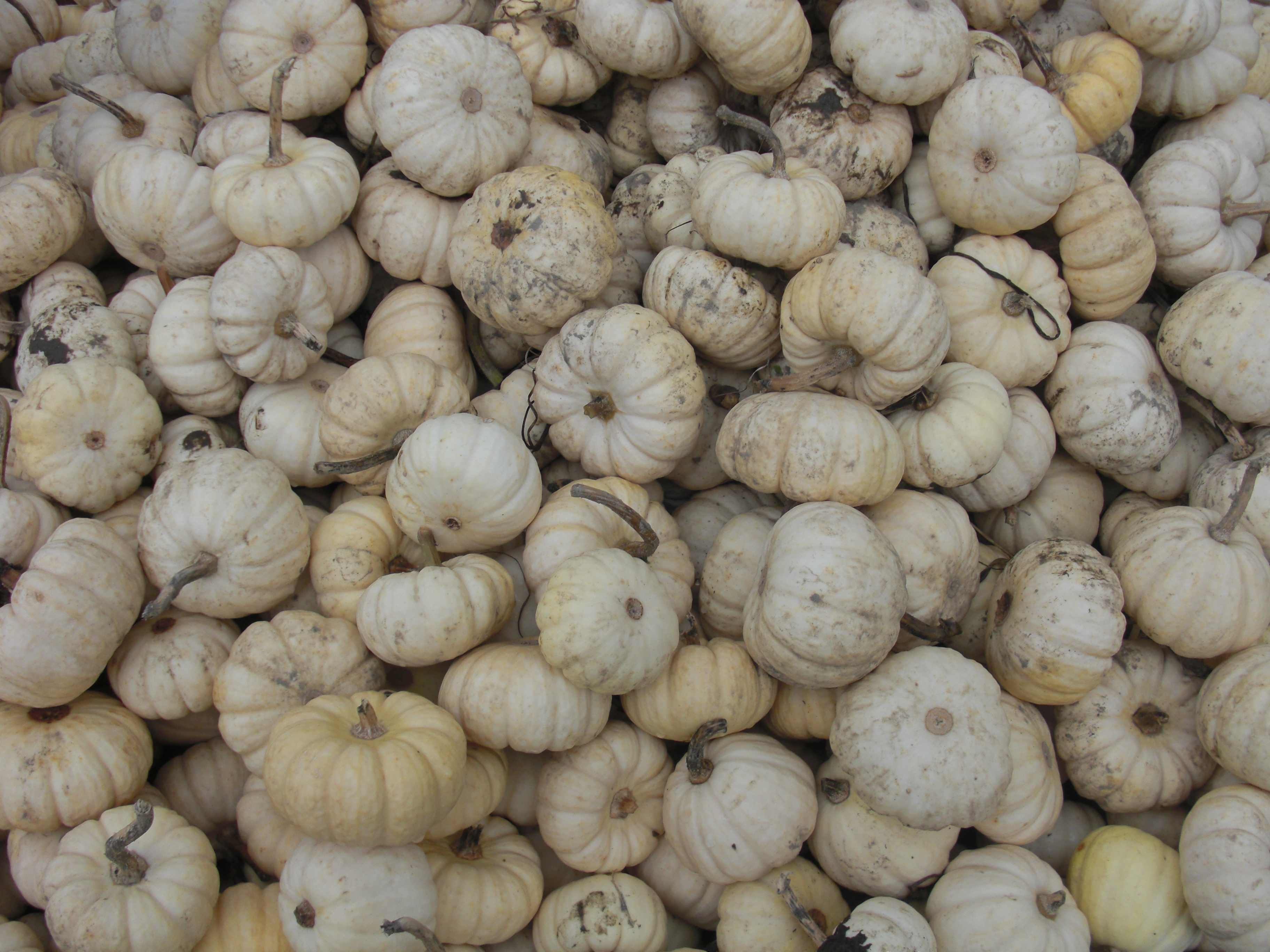
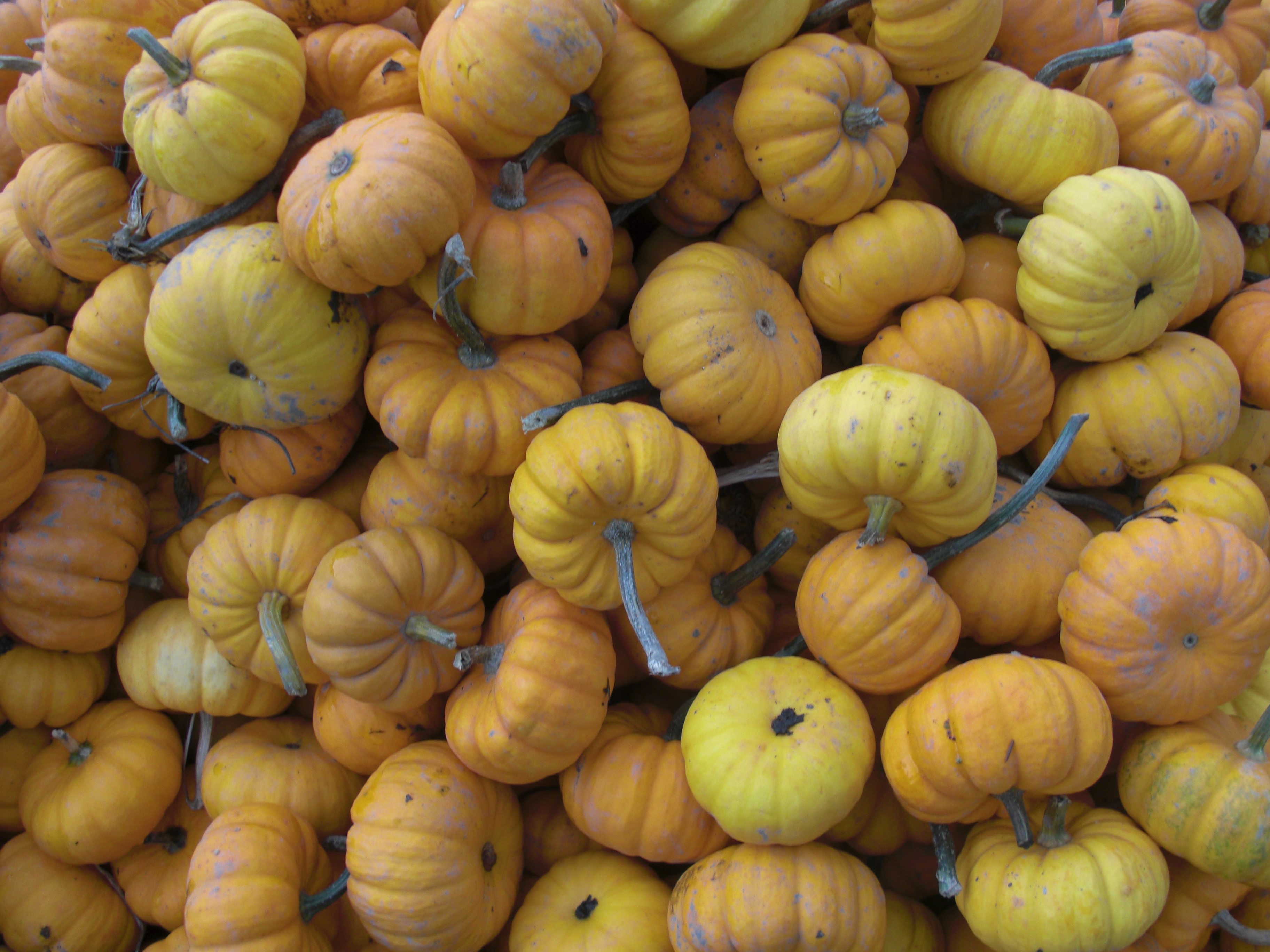
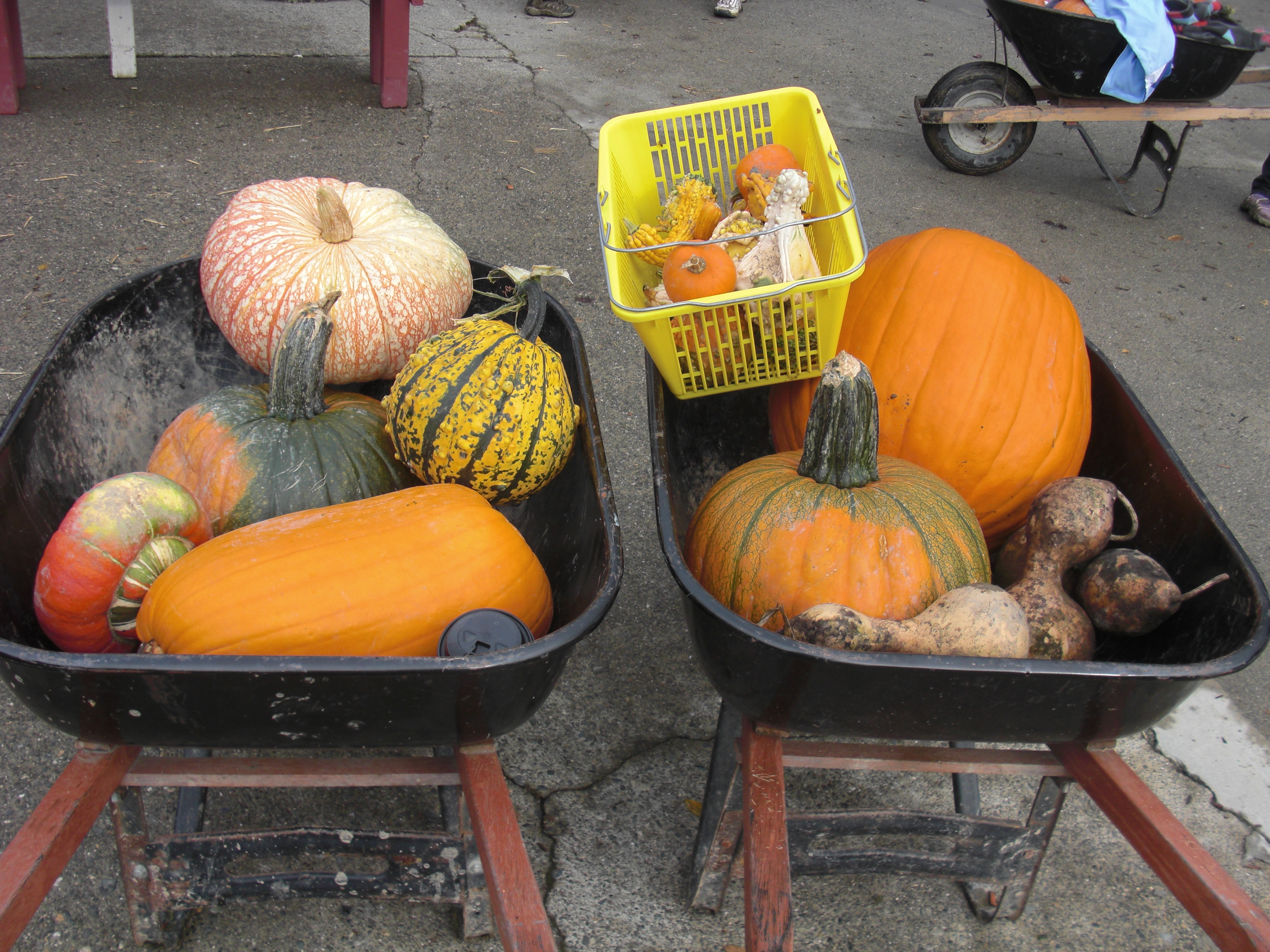
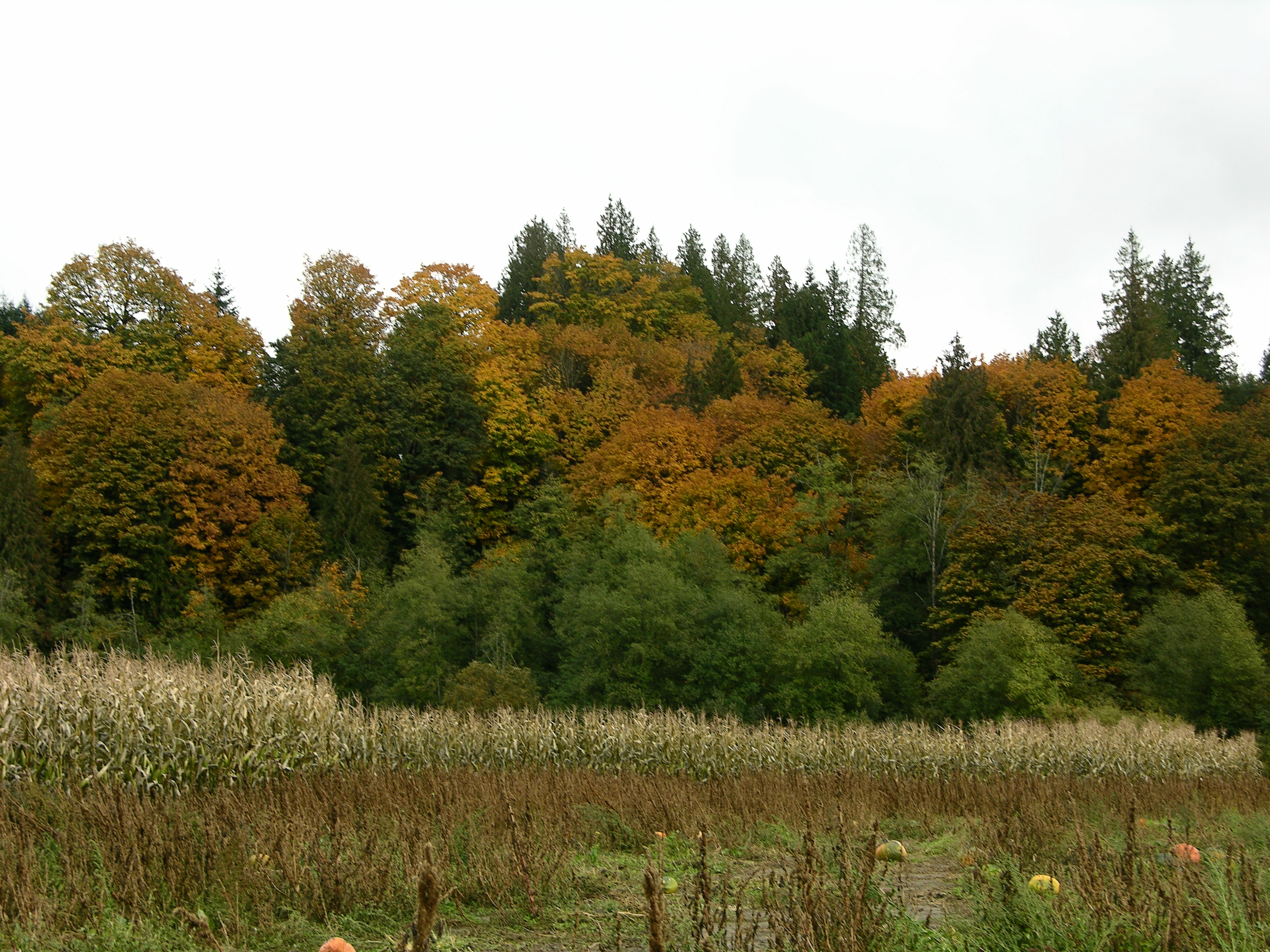
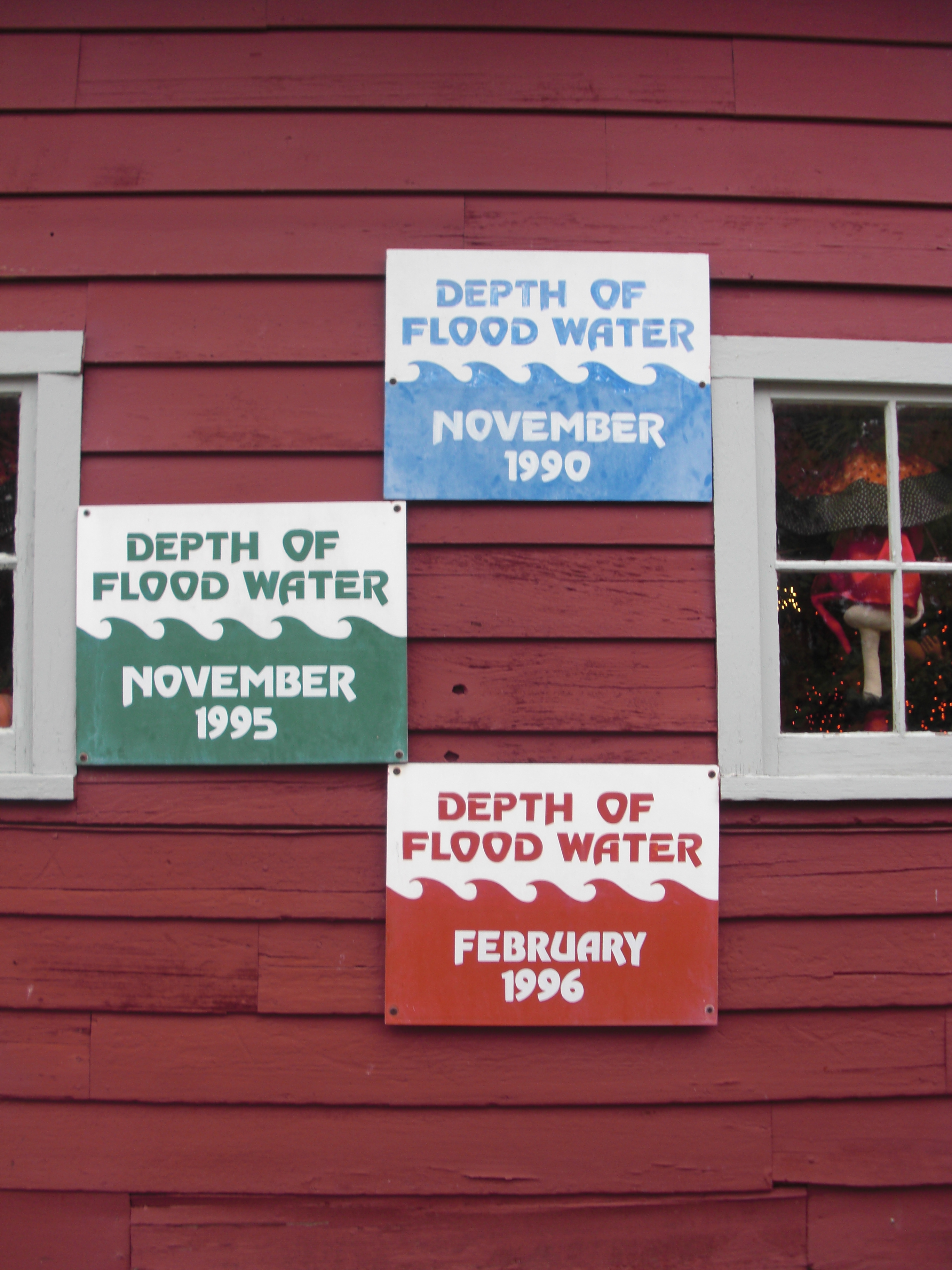
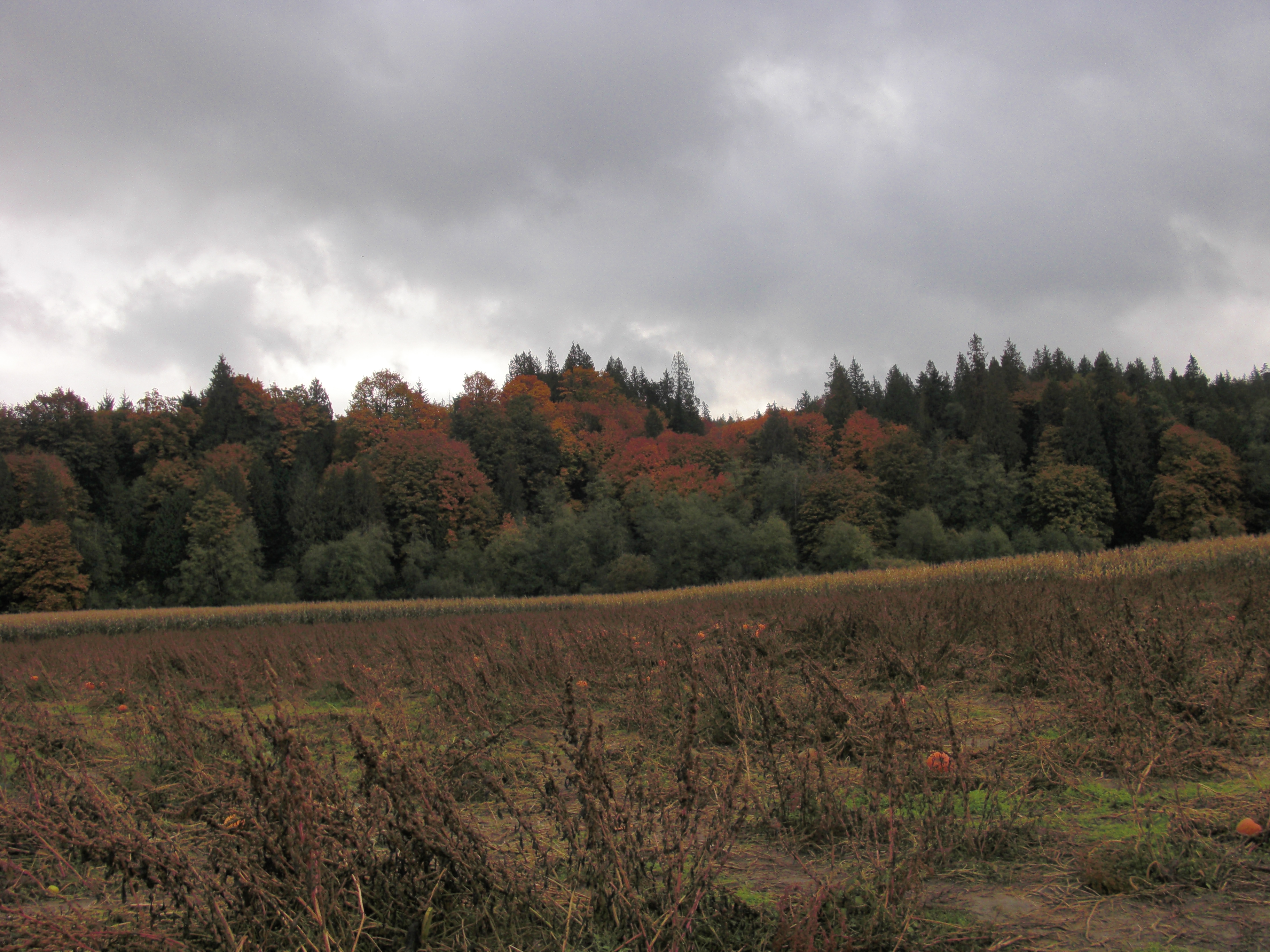
We made an early morning visit to our local pumpkin patch/farm, Craven Farms in Snohomish, Washington — we started early so we could get back in time for football.  It was a perfect Fall morning for a visit to the farm. I have a lot to finish up around the yard so I’ll let the pictures tell you our story.