Skip to content

How to ID a Plant — The Long Way

This past Thursday was my first Master Gardener class on Plant ID and Botany.  I thought I’d put my new training to use and attempt to ID a mystery plant in my garden — using it’s leaves.  My mystery plant was a real beauty in the summer of 2008;  it was tall, leafy and somewhat tropical looking.  It even planted itself in the most perfect spot at the back of the garden. Then (sadly) this past summer it didn’t do much at all.  It just stayed small with a couple leaves to help me identify it,  which probably means it’s a biennial (greenery/roots first year & grows tall/flowers/seeds second year).

Here’s what I know about the plant:

  1. It seeded itself – I didn’t plant it
  2. It has large heart shaped leaves that alternate up the stem
  3. As it gets taller it forms leaflets at it’s top
  4. It grows over 6′
  5. It’s a biennial
  6. It has small purple thistle flowers that come out of the leaflet tips

Here are two poor pictures taken of the plant in my garden when it bloomed in 2008. The picture on the left is earlier in the summer and the picture on the right is later in the summer when it was blooming.
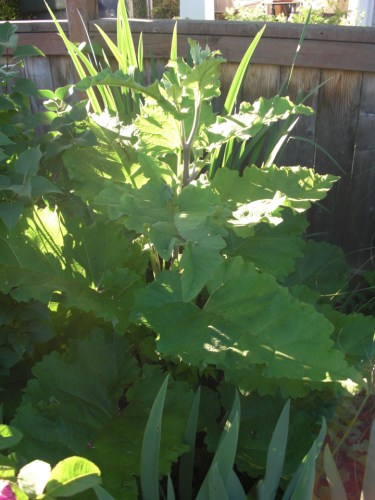
Early Summer 2008
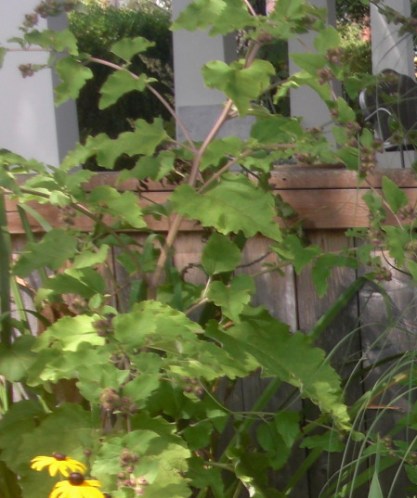
Blooming Late Summer 2008

When using the online tools, none of the sites asked me the right questions needed to identify this unique plant.  I was getting frustrated.  So I went back to the name of a plant my friend Laura (@InterLeafer on Twitter) recommended this summer — Crambe.  The Crambe leaves were identical with my plant but Crambe also has small white flowers that didn’t match.  Plus, at the time I wasn’t aware that it was a biennial.

Thinking they could be in the same family, and since I wasn’t getting anywhere with the Plant ID sites,  I started looking at Crambe images using Google Image search.  To my surprise I accidentally found a thistle flower that looked similar to my plant’s (but a little larger). When I clicked on the image to find out about it, I found yet another thistle image that matched — my plant’s name was Burdock.  Can you believe my luck.

According to Wikipedia, Burdock is a group of biennial thistles in the genus Arctium, family Asteraceae — also known as a common weed.

Oh, great. My new beautiful biennial is really just a common weed. I suppose they’d consider Digitalis (Fox Gloves) a weed then too.  Anyway, it’s a great new addition to my garden and I’m happy to report there are 4-5 babies that’ll bloom this year.  Weed or not, this one is a keeper.  After all, its roots are commonly used for medicinal purposes and its flowers inspired the creation of Velcro.
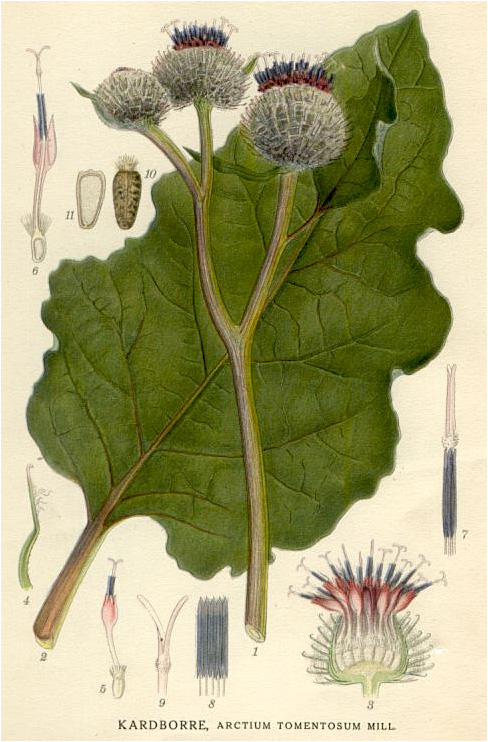
Kardborre is the Swedish botany translation for Burdock. Picture source is unknown.

I guess the point of my story is that even though I wasn’t able to ID this plant using the leaf, I was able to ID the plant based on the flower (by accident).  I’m sure I’ll get better at this Plant ID business, until then, I’ll probably continue to ask Laura for help.  If you have pictures of plants in your garden/yard that I can test my skills on, send them my way. I need the practice.
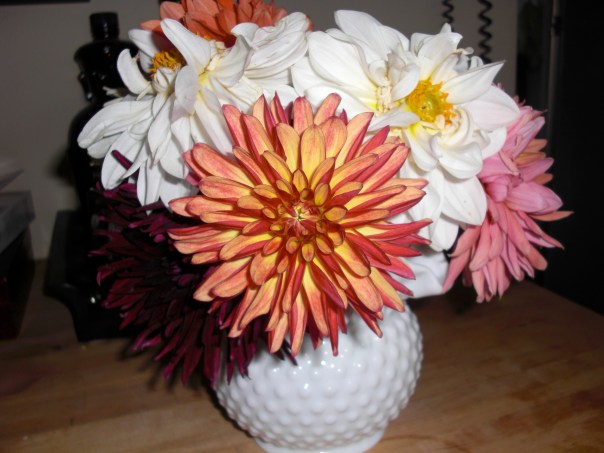
Why I Garden – Wordless Wednesday

First Dahlias Summer 2009

Elisabeth C. Miller Hort. Library

I continue to be amazed with the number of FREE gardening resources available to the public. Just this past weekend I found out about the Elisabeth C. Miller Horticulture Library in Seattle, the Garden Answers Knowledgebase AND the Plant Answer Line — all FREE to the public.

Aside from having to actually visit the library to borrow books, the other two resources are available online for everyone. Simply visit the library’s Web site and select your desired link:

http://depts.washington.edu/hortlib/index.shtml

If you’re on the road, you can even call the Plant Answer Line at (206) UW-PLANT. Just keep in mind, the folks manning the Plant Answer Line live in the Pacific Northwest (zones 7b – 8b).

If anyone local is interested in joining me, I’d like to make a trip to the library in the next couple weeks. I’m on a mission to find good garden reference books and can’t imagine a better place to do research.

I found these three wonderful resources from watching a Gardening with Ciscoe episode (a local Seattle gardening show) that originally aired on August 15, 2009; click here to see the show details.

My Favorite Garden Memories This Year

Since this is my last Wordless Wednesday post of the year, I decided to share some of my favorite ‘gardening’ events from 2009:

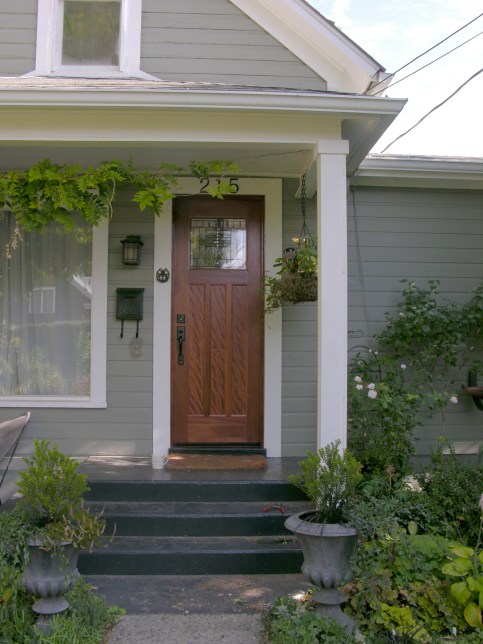
New Front Door & Painted Front Porch

Planting a Ginkgo Tree

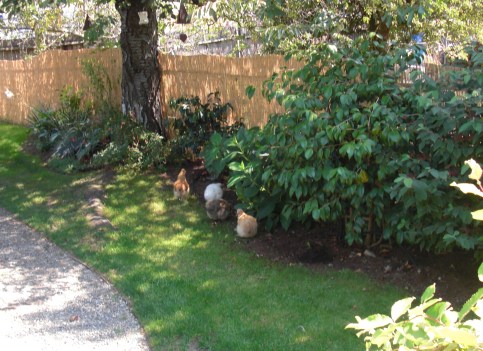
Getting My Silkie Chickens & Reed Fencing

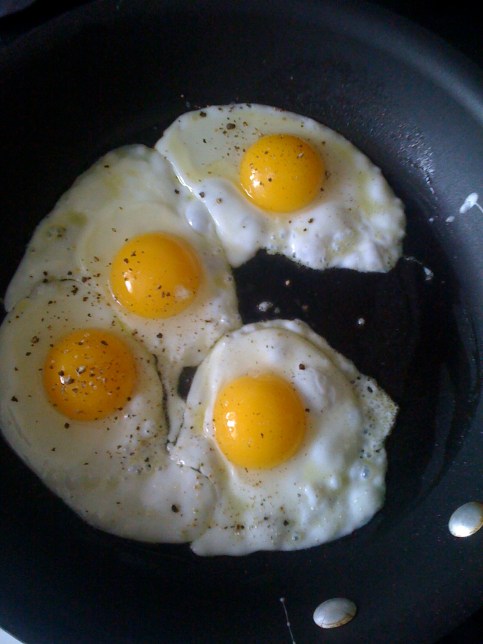
Fresh Silkie Eggs

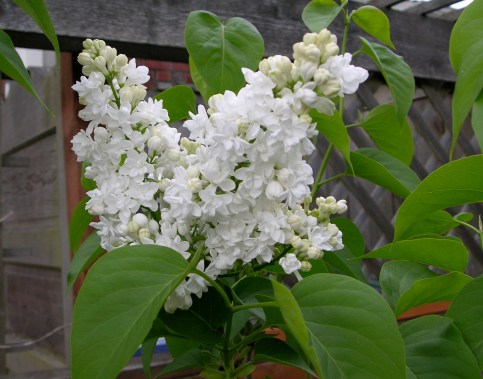
White Lilacs Blooming for the First Time

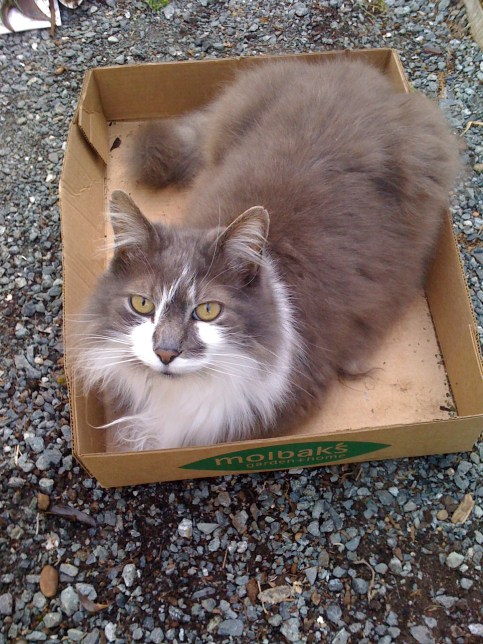
One More Year with Pepper (R.I.P)

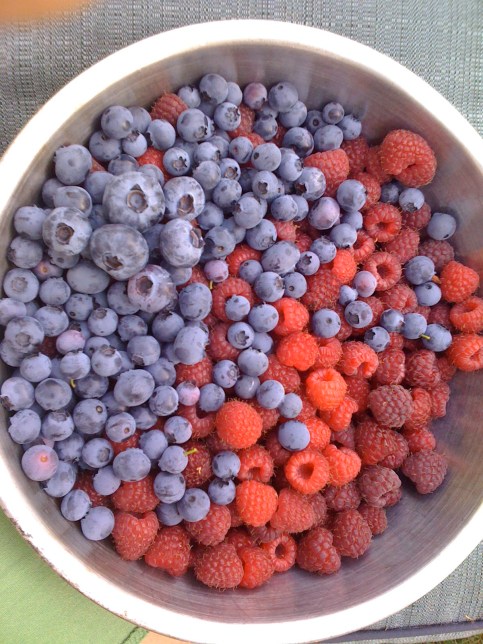
Blueberries & Raspberries

Stella Bella

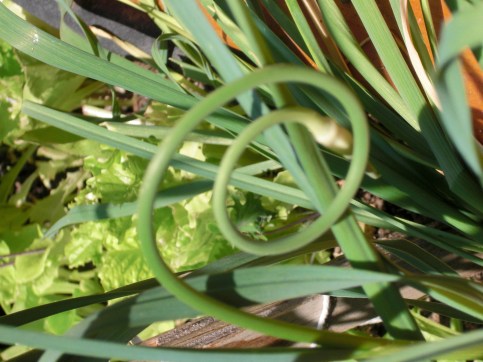
Garlic Scapes & Garlic

Warty Volunteer Pumpkin

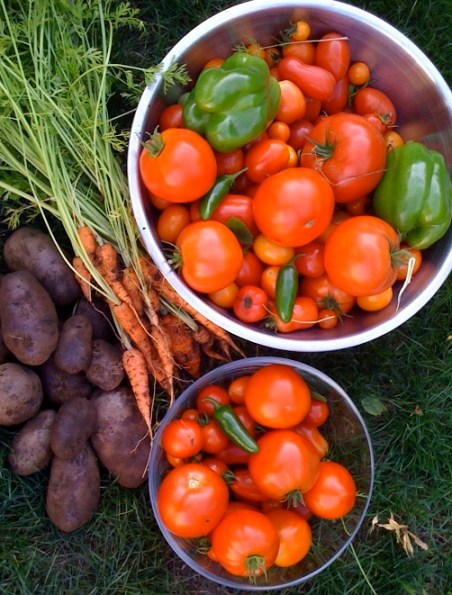
Veggie Harvest - Including Potatoes!

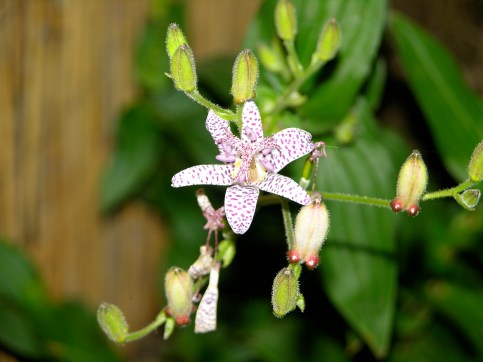
Discovering Toad Lilies

Stella Bella & Mazie Boo (Mazie arrived at Christmas)

FOUND: Garden Mentors Online

Since joining Twitter in April 2009, I’ve met many gardeners and designers online that I’m proud to call my mentors.  These folks have experience in vegetable gardens, perennial gardens, landscape design, container gardens, garden blogging and/or composting.  They’re also a pleasure to chat with.

Just recently, one of my Twitter mentors, Dan Eskelson nominated me for the Honest Scrap Award. But, since I already wrote my post for the Honest Scrap Award (you can read it here), I decided to talk about what makes Dan a great mentor instead.

What’s great about being friends with Dan on Twitter is that he seems to know everything about gardening and landscape design AND he’s willing to share his knowledge with the rest of us.  He’s also very approachable and often the first to respond to my crazy questions/situations — in my opinion this is what makes him a great mentor.

That, and he’s an all-around nice guy and a great conversationalist.

What’s great about Twitter is that I can also see Dan’s conversations with the other garden/design gurus that I follow (a.k.a my other mentors).  It’s like getting to listen in as the Masters talk poetically about design, landscape design, plants,  latin plant names and organic methods.  I admit, sometimes I have no idea what they’re talking about and have to use “Google” to figure it out — but I enjoy learning new things.

Now, I agree that Twitter isn’t for everyone (I often wonder if it’s right for me since I spend more time reading other people’s posts than actually engaging in conversation) but, finding Dan and other garden mentors/friends online is one of the best things to happen to my garden.  It’s like having an interactive resource manual, cheerleading squad and cocktail party at my fingertips.  It has also helped me realize I have a lot left to learn about gardening and design — especially if I want to be a great mentor like Dan some day.

I’d like to thank Dan for nominating me for the Honest Scrap Award and for being so supportive online — both are apprecited.  You can learn more about Dan by visiting Clearwater Landscapes or by following @daneskelson on Twitter.